Showing posts with label Hacking. Show all posts
Showing posts with label Hacking. Show all posts
Thursday, October 1, 2015
How To Hack Android Phones With Androrat
In this tutorial we are going to show you how to hack Android phones with Androrat. In our tutorials we only EVER hack our own systems as a proof of concept and never engage in any black hat activity.
Step1: Create an account on noip.com.
Step2: Create a host on noip.com and enter Hostname and click Add Host
Step3: Now do port forwarding on your network. Port forwarding settings changes on each moderm, so google your moderm and find out how to do port forwarding
Step4: Download Androrat Binder and enter the Hostname and Port. Name the file and click Go. If you want to inject this file with another .apk file then go to Build + Bind tab name apk title and browse the location of the .apk and click Go.
Step5: Now download DUC (Dynamic DNS Update Client for Windows) and install
Step6: Open DUC and enter the host details which you have created in noip.com
Step7: Download and run Androrat Project. Open Server tab on top and enter the port which you use on noip.com
Step8: Now run the .apk which is created by Androrat Binder on a Android Mobile.
Note: THIS VIDEO IS FOR EDUCATIONAL PURPOSES ONLY!
Download Link:
Androrat + Binder: Click Here (Contains malware)
Androrat: Click Here
DUC: Click Here
THIS IS FOR EDUCATIONAL PURPOSES ONLY!
SHARE BY GK

Wednesday, September 30, 2015
Cyber Law in India

Sr .No Offences Section Under IT Act
1. Tampering with computer source Documents Sec.65.
2. Hacking with computer systems , Data Alteration Sec.66.
3. Sending offensive messages through communication service, etc Sec.66A.
4. Dishonestly receiving stolen computer resource or communication device Sec.66B.
5. Identity theft Sec.66C.
6. Cheating by personation by using computer resource Sec.66D.
7. Violation of privacy Sec.66E.
8. Cyber terrorism Sec.66F.
9. Publishing or transmitting obscene material in electronic form Sec .67.
10. Publishing or transmitting of material containing sexually explicit act, etc. in electronic form Sec.67A.
11. Punishment for publishing or transmitting of material depicting children in sexually explicit act, etc. in electronic form Sec.67B.
11. Preservation and Retention of information by intermediaries Sec.67C.
12. Powers to issue directions for interception or monitoring or decryption of any information through any computer resource Sec.69.
13. Power to issue directions for blocking for public access of any information through any computer resource Sec.69A.
14. Power to authorize to monitor and collect traffic data or information through any computer resource for Cyber Security Sec.69B.
15. Un-authorized access to protected system Sec.70.
16. Penalty for misrepresentation Sec.71.
17. Breach of confidentiality and privacy Sec.72.
18. Publishing False digital signature certificates Sec.73.
19. Publication for fraudulent purpose Sec.74.
29. Act to apply for offence or contraventions committed outside India Sec.75.
21. Compensation, penalties or confiscation not to interfere with other punishment Sec.77.
22. Compounding of Offences Sec.77A.
23. Offences with three years imprisonment to be cognizable Sec.77B.
24. Exemption from liability of intermediary in certain cases Sec.79.
25. Punishment for abetment of offences Sec.84B.
26. Punishment for attempt to commit offences Sec.84C.
27. Offences by Companies Sec.85.
28. Sending threatening messages by e-mail Sec .503 IPC.
29. Word, gesture or act intended to insult the modesty of a woman Sec.509 IPC.
30. Sending defamatory messages by e-mail Sec .499 IPC.
31. Bogus websites , Cyber Frauds Sec .420 IPC.
32. E-mail Spoofing Sec .463 IPC.
33. Making a false document Sec.464 IPC.
34. Forgery for purpose of cheating Sec.468 IPC.
35. Forgery for purpose of harming reputation Sec.469 IPC.
36. Web-Jacking Sec .383 IPC.
37. E-mail Abuse Sec .500 IPC.
38. Punishment for criminal intimidation Sec.506 IPC.
39. Criminal intimidation by an anonymous communication Sec.507 IPC.
40. When copyright infringed:- Copyright in a work shall be deemed to be infringed Sec.51.
41. Offence of infringement of copyright or other rights conferred by this Act. Any person who knowingly infringes or abets the infringement of Sec.63.
42. Enhanced penalty on second and subsequent covictions Sec.63A.
43. Knowing use of infringing copy of computer programme to be an offence Sec.63B.
44. Obscenity Sec. 292 IPC.
45. Printing etc. of grossly indecent or scurrilous matter or matter intended for blackmail Sec.292A IPC.
46. Sale, etc., of obscene objects to young person Sec .293 IPC.
47. Obscene acts and songs Sec.294 IPC.
48. Theft of Computer Hardware Sec. 378.
49. Punishment for theft Sec.379.
50. Online Sale of Drugs NDPS Act.
51. Online Sale of Arms Arms Act.
Cyber Law in India Pdf Download.
SHARE BY GK
computer knowledge
Wednesday, September 16, 2015
7 Most important Addons for Ethical Hackers and Pentesters
Now a days Ethical Hacking and Pentesting is one of the interested topic for every youngester who loves computer and want to become a Ethical hacker or we can say computer expert.First of all i want to make you clear about Ethical hacking,Ethical hacking is not a crime like somebody think about it.If we use our knowledge for bad purposes then we can say it is hacking but mostly it is all about to secure information of yours and any organisation/company.
I will recommend you to always use Mozilla Firefox for Web App Pentesting & to use all these addons.
1- Tamper Data
Tamper Data is one of the most useful Addons for Pentesters it is used to view and modify HTTP/HTTPS headers and post parameters.Trace and time HTTP response or requests. Security test web applications by modifying POST parameters and Much More.
2- Hack Bar
Hack Bar is one of the Best & Most wanted Simple security audit / Penetration test tool. Very Strongly Recommended you to Install & very useful. Useful in XSS, SQL Encoding/Decoding - MD5, SH1, Base64, Hexing, Splitting etc.
Download & Install ?(https://addons.mozilla.org/en-US/firefox/addon/hackbar/)
3- Live HTTP Headers
Live HTTP Headers is little bit same as Tamper Data but with great difference and art of working & Viewing HTTP headers of a page while browsing. It most comes use to Inject XSS Payloads & get many information of website plugins,CSS,Javascript & HTML content.
Download & Install ?(https://addons.mozilla.org/en-US/firefox/addon/live-http-headers/)
4- User Agent Switcher
The User Agent Switcher extension adds a menu and a toolbar button to switch the user agent of a browser. It can help you changing the User Agent to IE, Search Robots, I-Phone (I-OS), or you can also create your own User Agent. we've also Posted How to discover XSS through HTTP Header Injection & there we used User Agent Swithcer.
Download & Install ?(https://addons.mozilla.org/en-US/firefox/addon/user-agent-switcher/)
5- Cookie Manager+
Cookies manager to view, edit and create, Inject Cookies etc. It also shows extra information about cookies, allows edit multiple cookies at once & backup/restore.
Download & Install ?(https://addons.mozilla.org/en-us/firefox/addon/cookies-manager-plus/)
6- HTTP-Fox
HttpFox monitors and analyzes all incoming and outgoing HTTP traffic between the browser and the web servers. It aims to bring the functionality known from tools like Http Watch or IE Inspector to the Firefox browser.
Information available per request includes:
- Request and response headers
- Sent and received cookies
- Querystring parameters
- POST parameters
- Response body
Download & Install ?(https://addons.mozilla.org/en-us/firefox/addon/httpfox/)
7- Passive Recon
PassiveRecon provides information security professionals with the ability to perform "packetless" discovery of target resources utilizing publicly available information. Most Wanted Information Gathering Tool.
Download & Install ?(https://addons.mozilla.org/en-US/firefox/addon/passiverecon/)
I will recommend you to always use Mozilla Firefox for Web App Pentesting & to use all these addons.

Tamper Data is one of the most useful Addons for Pentesters it is used to view and modify HTTP/HTTPS headers and post parameters.Trace and time HTTP response or requests. Security test web applications by modifying POST parameters and Much More.
2- Hack Bar
Hack Bar is one of the Best & Most wanted Simple security audit / Penetration test tool. Very Strongly Recommended you to Install & very useful. Useful in XSS, SQL Encoding/Decoding - MD5, SH1, Base64, Hexing, Splitting etc.
Download & Install ?(https://addons.mozilla.org/en-US/firefox/addon/hackbar/)
3- Live HTTP Headers
Live HTTP Headers is little bit same as Tamper Data but with great difference and art of working & Viewing HTTP headers of a page while browsing. It most comes use to Inject XSS Payloads & get many information of website plugins,CSS,Javascript & HTML content.
Download & Install ?(https://addons.mozilla.org/en-US/firefox/addon/live-http-headers/)
4- User Agent Switcher
The User Agent Switcher extension adds a menu and a toolbar button to switch the user agent of a browser. It can help you changing the User Agent to IE, Search Robots, I-Phone (I-OS), or you can also create your own User Agent. we've also Posted How to discover XSS through HTTP Header Injection & there we used User Agent Swithcer.
Download & Install ?(https://addons.mozilla.org/en-US/firefox/addon/user-agent-switcher/)
5- Cookie Manager+
Cookies manager to view, edit and create, Inject Cookies etc. It also shows extra information about cookies, allows edit multiple cookies at once & backup/restore.
Download & Install ?(https://addons.mozilla.org/en-us/firefox/addon/cookies-manager-plus/)
6- HTTP-Fox
HttpFox monitors and analyzes all incoming and outgoing HTTP traffic between the browser and the web servers. It aims to bring the functionality known from tools like Http Watch or IE Inspector to the Firefox browser.
Information available per request includes:
- Request and response headers
- Sent and received cookies
- Querystring parameters
- POST parameters
- Response body
Download & Install ?(https://addons.mozilla.org/en-us/firefox/addon/httpfox/)
7- Passive Recon
PassiveRecon provides information security professionals with the ability to perform "packetless" discovery of target resources utilizing publicly available information. Most Wanted Information Gathering Tool.
Download & Install ?(https://addons.mozilla.org/en-US/firefox/addon/passiverecon/)
SHARE BY GK
What Is Ethical Hacking | Different Types Of Hackers | Ethical Hacking Certification
What is Ethical Hacking?

Coders :
Coders are real hackers. They are programmers having immense knowledge about many programming languages, networking and working of programs. They are skilled programmers who can find vulnerabilities on their own and create exploits based on those vulnerabilities. They can code their own tools and exploit and can modify existing tools according to their use.
1.White Hat Hackers :

Ethical Hacking is process of finding and exploiting vulnerabilities in a system and then rectifying them to protect them from other hackers. Person performing ethical hacking is person who has ethical hacking certification and holds good knowledge about computers, networks, programming and various vulnerabilities. His work is to secure his own network and protect it from all sort of cyber attacks.
Types of Hackers based on their knowledge :
Types of Hackers based on their knowledge :
Coders :
Coders are real hackers. They are programmers having immense knowledge about many programming languages, networking and working of programs. They are skilled programmers who can find vulnerabilities on their own and create exploits based on those vulnerabilities. They can code their own tools and exploit and can modify existing tools according to their use.
Admins :
These are the computer guys who are not sound enough in programming but holds enough information about hacking and networking. These guys have Hacking certifications and can hack any system or network with the help of tools and exploit created by codes. Majority of security consultants fall in this group. They are Certified Ethical Hackers who are trained for securing networks.
Script kiddies :
This is the most dangerous type of hackers. These type of hackers does not actually know what they are doing. They just use the tools and partial knowledge they gain from internet to attack systems. They do it just for fun purpose and to be famous. They use the tools and exploits coded by other hackers and use them. They have minimum skills.
Types of Hackers based on their motive of hacking :1.White Hat Hackers :
White hat hackers are ethical hackers with some certifications such as CEH( Certified Ethical Hacker). They break into systems just for legal purposes. Their main motive is to find loopholes in the networks and rectifying them. These type of hackers work with famous companies in securing their systems and protecting them against other hackers.
2.Black Hat Hacker :
A black hat hacker may or may not have any hacking certification but they hold good knowledge about hacking. They use their skills for destructive purposes. They break into systems and networks either for fun or to gain some money from illegal means. They gain unauthorized access and destroy/steal confidential data or basically cause problems to their target.
3.Gray Hat Hacker :
A grey hat hacker is a combination of a Black Hat and a White Hat Hacker. A Grey Hat Hacker may surf the internet and hack into a computer system for the sole purpose of notifying the administrator that their system has been hacked. Then they may offer to repair their system for a small fee.
CEH or Certified Ethical Hacking is a certification exam every hacker must give in order to certify that he is a trained hacker. CEH is conducted by Ec-council. You can have the examination test by registering at their site. The CEH certification is famous all over the world. They provide training camps for this camp or you can train yourself by learning hacking from sites like How to hack or by joining some local institutions that provide CEH courses. A person having this certification could easy get a job in IT Security sector. If your desire is to be a good hacker then this certification is a must have thing for you.
So now you know about different types of hackers and their working.
SHARE BY GK
CEH Certified Ethical Hacker Study Guide Ebook

Introduction Assessment Test
Chapter 1: Introduction to Ethical Hacking, Ethics, and Legality.
Chapter 2: Gathering Target Information: Reconnaissance, Footprinting, and Social Engineering.
Chapter 3: Gathering Network and Host Information: Scanning and Enumeration.
Chapter 4: System Hacking: Password Cracking, Escalating Privileges, and Hiding Files.
Chapter 5: Trojans, Backdoors, Viruses, and Worms.
Chapter 6: Gathering Data from Networks: Sniffers.
Chapter 7: Denial of Service and Session Hijacking.
Chapter 8: Web Hacking: Google, Web Servers, Web Application Vulnerabilities, and Web-Based Password Cracking Techniques.
Chapter 9: Attacking Applications: SQL Injection and Buffer Overflows.
Chapter 10: Wireless Network Hacking.
Chapter 11: Physical Site Security.
Chapter 12: Hacking Linux Systems ding IDSs, Honeypots, and Firewalls.
Chapter 13: Cryptography.
Chapter 14: Performing a Penetration Test.
Covers all Exam objectives for CEHv6.
CEH Certified Ethical Hacker Study Guide Ebook.
Metasploit The Penetration Tester Guide David Kennedy Jim O Gorman Devon Kearns.

- INTRODUCTION
- The Absolute Basics of Penetration Testing.
- Metasploit Basics.
- Intelligence Gathering.
- Vulnerability Scanning.
- The Joy of Exploitation.
- Meterpreter.
- Avoiding Detection.
- Exploitation Using Client-Side Attacks.
- Metasploit Auxiliary Modules.
- The Social-Engineer Toolkit.
- Fast-Track.
- Karmetasploit.
- Building Your Own Module.
Metasploit The Penetration Tester Guide.
SHARE BY GK
Computer Knowledge
Hiren’s BootCD 15.2

As it is bootable, the operating system of the computer need not be available for the tools to be usable. All that is required is that the computer is able to run Microsoft Windows and Linux. Most of the tools are also available when the operating system is already running.New Added Softwares,
Updated Functions:
BattStat 0.99b: Battery Status monitor and power management freeware for Windows 7/Vista/XP/2000 x86/x64.
BrowsingHistoryView 1.05: To view history data of Internet Explorer, Mozilla Firefox, Google Chrome, and Safari Web browsers in one table.
ClearLock 1.4.0: To lock your desktop with a transparent layer, allowing you to see what is happening on your desktop and at the same time prevent access to the computer without the proper password.
DRevitalize 1.2: Repairs bad sectors (physical defects) on hard drives by generating a special sequence of high and low signals around the physically damaged area.
EncFS 1.7.4: This should be used for secure online file backup services such as Google Drive, Dropbox and Sugarsync as the encryption do not occupy a fixed size containers and backup programs can copy encrypted files and can be accessed from linux, iPhone/iOS and android using BoxCryptor and Cryptonite.
ImDisk 1.6.0: To create/mount virtual hard disk, floppy or CD/DVD drives using image files or system memory.
MBRCheck 1.2.3: Checks the legitimacy of the Master Boot Record (MBR) code of the hard drives.
McAfee Removal Tool 6.0.152.0: McAfee Consumer Product Removal Tool removes all 2005 - 2012 versions of McAfee products.
MiniXP: Added/updated Storage/LAN/WLAN drivers and other minor improvements, iso boot works, path can be changed in HBCD\XP\X using notepad.
Norton Removal Tool 20.0.0.21: SymNRT uninstalls most Norton AntiVirus, Norton Internet Security, Norton 360, and Norton SystemWorks even when the uninstaller fails to remove them.
Remove Non Present Drivers: Automatically remove all non-present/disconnected devices from a Windows and can often be useful to prevent misbehaving/unnecessary drivers from being loaded, cleanup drivers when you replaced motherboard or used backup image of different hardware.
Tor Browser 2.2.39: Surf the internet anonymously through encryption, even https sites can be browsed safely where it is blocked by your local ISP.
WifiInfoView 1.05: Wireless networks information including Network Name (SSID), MAC Address, PHY Type (802.11g or 802.11n), RSSI, Signal Quality, Frequency, Channel Number, Maximum Speed, Company Name, Router Name/Model and more.
Windows Product Key Update Tool 1.7: This tool is from microsoft to change the key of illegal/pirated installed xp to legit xp keys from the sticker on the PC, even if it is oem and not retail/corporate.
Updated Softwares:
3DP Chip 12.09, All Users Temp Cleaner 1.2, AlternateStreamView 1.32, Astra 6.01, Autoruns 11.34, Avira AntiVir Personal (18-10-2012), BellaVista 1.1.0.71, BIOS Master Password Generator (Sony), BlueScreenView 1.46, BootICE 2012.09.20, BulletsPassView 1.25, CCleaner 3.23.1823, ClamWin Free Antivirus 0.97.6, CloneSpy 2.63, ComboFix (18-10-2012), Complete Internet Repair 1.3.1.1315, CPU-Z 1.61, CurrPorts 2.02, Defraggler 2.11.560, Device Doctor 2.1, Don't Sleep 2.82, Drive SnapShot 1.40, DriveImage XML 2.42, FastCopy 2.11, FileTypesMan 1.62, GParted Partition Editor 0.14.0, GPU-Z 0.6.5, grub4dos 2012-10-02, HashMyFiles 1.90, HDAT2 4.9B1, Image For Dos 2.75, Image For Windows 2.75, ImgBurn 2.5.7.0, InfraRecorder 0.53, IrfanView 4.33, IsoBuster 3.0, isolinux 4.05, LicenseCrawler 1.11.239, Mail PassView 1.78, Malwarebytes Anti-Malware 1.65 (18-10-2012), MemDisk 4.05, Notepad++ 6.2, NTFS Access 2.2, NTFSLinksView 1.07, Opera 12.02, Parted Magic 2012-10-10, Partition Saving 4.00, Partition Wizard Home Edition 7.6.1, PC Wizard 2012.2.11, PCI 32 Sniffer 1.4 (18-10-2012), PCI and AGP info Tool (18-10-2012), PhotoFiltre 6.5.3, PhotoRec 6.14b, PLoP Boot Manager 5.0.14, Process Explorer 15.23, Process Monitor 3.03, ProcessActivityView 1.12, ProduKey 1.54, PuTTY 0.62-t012, Recuva 1.43.623, RegFromApp 1.23, RegScanner 1.90, Remove Fake Antivirus 1.88, Revo Uninstaller 1.94, RKill (18-10-2012), RunAsDate 1.11, SearchMyFiles 2.30, ServiWin 1.50, ShellExView 1.76, Silent Runners Revision 64, SIW 2011.10.29, SmartSniff 1.95, SniffPass 1.13, SoftPerfect Network Scanner 5.4.7, Speccy 1.18.379, Spybot - Search & Destroy 1.6.2 (18-10-2012), SuperAntispyware is now downloadable only, System Analyser 5.3x, System Explorer 3.9.7, TDSSKiller 2.8.13, TeamViewer 7.0.14563 + 6.0.10462, TestDisk 6.14b, TightVNC 2.5.2, Total Commander 8.01, TrID File Identifier 2.10, TrueCrypt 7.1a, UnknownDevices 1.4.20 (18-10-2012), Update Checker 1.039, USBDeview 2.16, WebBrowserPassView 1.30, WinNTSetup 2.3.1.0, WinSCP 4.3.9, WirelessKeyView 1.56, WirelessNetView 1.41, XP-AntiSpy 3.98
Hacking The Art Of Exploitation

CONTENTS.
- INTRODUCTION
- PROGRAMMING
- EXPLOITATION
- NETWORKING
- SHELLCODE
- COUNTERMEASURES
- CRYPTOLOGY
- CONCLUSION
Hacking The Art Of Exploitation.
List of Common Malware Types
This list of Malware types only scratches the surface in that Malware is being developed by those trying to gain access to your computer for monetary gain. The list of Malware types focuses on the most common and the general categories of infection.
Adware: The least dangerous and most lucrative Malware. Adware displays ads on your computer.
Spyware: Spyware is software that spies on you, tracking your internet activities in order to send advertising (Adware) back to your system.

Virus: A virus is a contagious program or code that attaches itself to another piece of software, and then reproduces itself when that software is run. Most often this is spread by sharing software or files between computers.
Worm: A program that replicates itself and destroys data and files on the computer. Worms work to “eat” the system operating files and data files until the drive is empty.
Trojan: The most dangerous Malware. Trojans are written with the purpose of discovering your financial information, taking over your computer’s system resources, and in larger systems creating a “denial-of-service attack ” Denial-of-service attack: an attempt to make a machine or network resource unavailable to those attempting to reach it. Example: AOL, Yahoo or your business network becoming unavailable.
Rootkit: This one is likened to the burglar hiding in the attic, waiting to take from you while you are not home. It is the hardest of all Malware to detect and therefore to remove; many experts recommend completely wiping your hard drive and reinstalling everything from scratch. It is designed to permit the other information gathering Malware in to get the identity information from your computer without you realizing anything is going on.
Backdoors: Backdoors are much the same as Trojans or worms, except that they open a “backdoor” onto a computer, providing a network connection for hackers or other Malware to enter or for viruses or SPAM to be sent.
Keyloggers: Records everything you type on your PC in order to glean your log-in names, passwords, and other sensitive information, and send it on to the source of the keylogging program. Many times keyloggers are used by corporations and parents to acquire computer usage information.
Rogue security software: This one deceives or misleads users. It pretends to be a good program to remove Malware infections, but all the while it is the Malware. Often it will turn off the real Anti-Virus software. The next image shows the typical screen for this Malware program, Antivirus 2010.
Ransomware: If you see this screen that warns you that you have been locked out of your computer until you pay for your cybercrimes. Your system is severely infected with a form of Malware called Ransomware. It is not a real notification from the FBI, but, rather an infection of the system itself. Even if you pay to unlock the system, the system is unlocked, but you are not free of it locking you out again. The request for money, usually in the hundreds of dollars is completely fake.
Browser Hijacker: When your homepage changes to one that looks like those in the images inserted next, you may have been infected with one form or another of a Browser Hijacker. This dangerous Malware will redirect your normal search activity and give you the results the developers want you to see. Its intention is to make money off your web surfing. Using this homepage and not removing the Malware lets the source developers capture your surfing interests. This is especially dangerous when banking or shopping online. These homepages can look harmless, but in every case they allow other more infectious.
SHARE BY GK
Mastering Wireless Penetration Testing for Highly-Secured Environments - Aaron Johns Ebook
 Table of Contents
Chapter 1: Preparing for an Effective Wireless Penetration Test.
Chapter 2: Wireless Security Testing.
Chapter 3: Foot printing and Reconnaissance.
Chapter 4: Penetrating Wireless Networks.
Chapter 5: Gaining Access to the Network.
Chapter 6: Vulnerability Assessment
Chapter 7: Client-side Attacks.
Chapter 8: Data Capture and Exploitation.
Chapter 9: Post-Exploitation.
Chapter 10: Reporting.
Hiren’s BootCD 10.1
 CD Contents
1. Antivirus Tools
ComboFix (1811): Designed to cleanup malware infections and restore settings modified by malware.
CWShredder 2.19: Popular CoolWebSearch Trojan Remover tool.
Kaspersky Virus Removal Tool 7.0.0.290 (1811): Free on-demand virus scanner from Kaspersky Lab to remove viruses.
Malwarebytes' Anti-Malware 1.41 (1811): Anti-malware application that can thoroughly remove even the most advanced malware.
RootkitRevealer 1.7.1: Rootkit Revealer is an advanced patent-pending root kit detection utility.
SmitFraudFix 2.424: This removes Some of the popular Desktop Hijack malware.
Spybot - Search & Destroy 1.6.2 (1811): Application to scan for spyware, adware, hijackers and other malicious software.
SpywareBlaster 4.2 (1811): Prevent the installation of spyware and other potentially unwanted software.
SuperAntispyware 4.30 (1811): Remove Malware, Rootkits, Spyware, Adware, Worms, Parasites (a must have tool).
2. Backup Tools
Acronis True Image 8.1.945: Create an exact disk image for complete system backup and disk cloning.
COPYR.DMA Build013: A Tool for making copies of hard disks with bad sectors.
Double Driver 2.1: Driver Backup and Restore tool.
Drive SnapShot 1.39: Creates an exact Disk Image of your system into a file while windows is running.
DriveImage Explorer 5.0: To add/remove/extract files from Drive image file.
DriveImageXML 2.13: Backup any drive/partition to an image file, even if the drive is currently in use.
DriverBackup! 1.0.3: Another handy tool to backup drivers.
FastCopy 1.99r4: The Fastest Copy/Delete Software on Windows.
Ghost Image Explorer 11.5: To add/remove/extract files from Ghost image file.
ImageCenter 5.6 (Drive Image 2002): Best software to clone hard drive.
InfraRecorder 0.50: An Open source CD/DVD burning software, also create/burn .iso images.
Norton Ghost 11.5: Similar to Drive Image (with usb/scsi support).
Partition Saving 3.71: A tool to backup/restore partitions. (SavePart.exe).
RegBak 1.0: A light-weight and simple utility to create backups of Windows registry files.
Smart Driver Backup 2.12: Easy backup of your Windows device drivers (also works from PE).
WhitSoft File Splitter 4.5a: A Small File Split-Join Tool.
3. BIOS / CMOS Tools
!BIOS 3.20: A powerfull utility for bios and cmos.
Award DMI Configuration Utility 2.43: DMI Configuration utility for modifying/viewing the MIDF contents.
BIOS Cracker 5.0: BIOS password remover (cmospwd).
BIOS Utility 1.35.0: BIOS Informations, password, beep codes and more.
CMOS 0.93: CMOS Save / Restore Tool.
DISKMAN4: A powerful all in one utility.
Kill CMOS: A tiny utility to wipe cmos.
UniFlash 1.40: Bios flash utility.
4. Browsers / File Managers
7-Zip 9.07 beta: File Manager/Archiver Supports 7z, ZIP, GZIP, BZIP2, TAR, RAR, CAB, ISO, ARJ, LZH, CHM, MSI, WIM, Z, CPIO, RPM, DEB and NSIS formats.
Dos Command Center 5.1: Classic dos-based file manager.
Dos Navigator 6.4.0: Dos File Manager, Norton Commander clone but has much more features.
FastLynx 2.0: Dos file manager with Pc to Pc file transfer capability.
File Maven 3.5: An advanced Dos file manager with high speed PC-to-PC file transfers via serial or parallel cable.
File Wizard 1.35: A file manager - colored files, drag and drop copy, move, delete etc.
Mini Windows 98: Can run from Ram Drive, with ntfs support, Added 7-Zip, Disk Defragmenter, Notepad / RichText Editor, Image Viewer, .avi .mpg .divx .xvid Movie Player, etc...
Mini Windows Xp: Portable Windows Xp that runs from CD/USB/Ram Drive, with Network and SATA support.
Opera Web Browser 8.53: One of the fastest, smallest and smartest full-featured web browser.
Volkov Commander 4.99: Dos File Manager with LongFileName/ntfs support (Similar to Norton Commander).
5. Cleaners
CCleaner 2.25: Crap Cleaner is a freeware system optimization and privacy tool.
SpaceMonger 1.4: Keeping track of the free space on your computer.
WinDirStat 1.1.2.80: A disk usage statistics viewer and cleanup tool for Windows.
Collection of Dos Utilities
extract.exe, pkzip.exe, pkunzip.exe, lha.exe, gzip.exe, uharcd.exe, imgExtrc.exe, xcopy.exe, diskcopy.com, mouse.com, undelete.com, edit.com, fdisk.exe, fdisk2.exe, fdisk3.exe, lf.exe, delpart.exe, wipe.com, zap.com, format.com, deltree.exe, more.com, find.exe, hex.exe, debug.exe, split.exe, mem.exe, attrib.com, sys.com, smartdrv.exe, xmsdsk.exe, killer.exe, share.exe, scandisk.exe, scanreg.exe, guest.exe, doskey.exe, duse.exe, move.exe, setver.exe, intersvr.exe, interlnk.exe, loadlin.exe, lfndos.exe, doslfn.com
6. Dos Tools
1394 Firewire Support: 1394 Firewire Drivers for Dos.
ASUSTeK USB Driver 3: ASUS USB CD-ROM Device Driver Version 1.00.
Interlnk support at COM1: To access another computer from COM port.
Interlnk support at LPT1: To access another computer from LPT port.
SATA Support: SATA Driver (gcdrom.sys) and JMicron JMB361 (xcdrom.sys) for Dos.
SCSI Support: SCSI Drivers for Dos.
Universal USB Driver 2: Panasonic v2.20 ASPI Manager for USB mass storage.
USB CD-Rom Driver 1: Standard usb_cd.sys driver for cd drive.
7. Hard Disk Tools
Active Kill Disk 4.1: Securely overwrites and destroys all data on physical drive.
Data Shredder 1.0: A tool to Erase disk and files (also wipe free space) securely.
ExcelStor's ESTest 4.50.
Fujitsu HDD Diagnostic Tool 7.00.
Fujitsu IDE Low Level Format 1.0.
Gateway GwScan 5.12.
Hard Disk Sentinel 0.04: Hard Disk health, performance and temperature monitoring tool.
HDAT2 4.53: Main function is testing and repair (regenerates) bad sectors for detected devices.
HDD Erase 4.0: Secure erase using a special feature built into most newer hard drives.
HDD Regenerator 1.71: To recover a bad hard drive.
HDD Scan 3.2: HDDScan is a Low-level HDD diagnostic tool, it scans surface find bad sectors etc.
HDTune 2.55: Hard disk benchmarking and information tool.
IBM/Hitachi Drive Fitness Test 4.16.
IBM/Hitachi Feature Tool 2.15.
Maxtor (or any Hdd) Low Level Formatter 1.1.
Maxtor amset utility 4.0.
Maxtor PowerMax 4.23.
MHDD 4.6.
Norton Disk Doctor 2002: A tool to repair a damaged disk, or to diagnose your hard drive.
Norton Disk Editor 2002: A powerful disk editing, manual data recovery tool.
Ontrack Disk Manager 9.57: Disk Test/Format/Maintenance tool.
Samsung Disk Diagnose (SHDIAG) 1.28.
Samsung HDD Utility (HUTIL) 2.10.
Samsung The Drive Diagnostic Utility (ESTOOL) 3.00g.
Seagate Seatools Desktop Edition 3.02.
SeaTools for Dos 1.10.
SmartUDM 2.00: Hard Disk Drive S.M.A.R.T. Viewer.
Toshiba Hard Disk Diagnostic 2.00b.
Victoria 3.33e and 3.52rus: A freeware program for low-level HDD diagnostics.
WDClear 1.30.
Western Digital Data Lifeguard Tools 11.2.
Western Digital Diagnostics (DLGDIAG) 5.04f.
8. MBR (Master Boot Record) Tools
Boot Partition 2.60: Add Partition in the Windows NT/2000/XP Multi-boot loader.
BootFix Utility: Run this utility if you get 'Invalid system disk'.
DiskMan 4.2: All in one tool for cmos, bios, bootrecord and more.
Grub4Dos installer 1.1: An universal boot loader GRUB for DOS installer.
MBR SAVE / RESTORE 2.1: BootSave and BootRest tools to save / restore MBR.
MbrFix 1.3: To backup, restore, fix the boot code in the MBR.
MBRTool 2.3.200: Backup, verify, restore, edit, refresh, remove, display, re-write...
MBRWizard 2.0b: Directly update and modify the MBR (Master Boot Record).
MBRWork 1.07b: A utility to perform some common and uncommon MBR functions.
Smart Boot Manager 3.7.1: A multi boot manager.
9. MultiMedia Tools
MpxPlay 1.56: A small Music Player for dos.
Picture Viewer 1.94: Picture viewer for dos, supports more then 40 filetypes.
QuickView Pro 2.58: Movie viewer for dos, supports many format including divx.
10. Network Tools
Angry IP Scanner 2.21: Scan IP addresses in any range as well as any their ports.
CurrPorts 1.80: Displays the list of all currently opened TCP and UDP ports on your computer.
TCPView 2.54: Lists TCP and UDP endpoints, including the Local/Remote addresses of TCP connections.
Winsock 2 Fix for 9x: To fix corrupted Winsock2 information by poorly written Internet programs.
XP TCP/IP Repair 1.0: Repair your Windows XP Winsock and TCP/IP registry errors.
11. NTFS (FileSystems) Tools
EditBINI 1.01: To Edit boot.ini on NTFS Partition.
NTFS 4 Dos 1.9: To access ntfs partitions from Dos.
NTFS Dos 3.02: To access ntfs partitions from Dos.
NTFS Dos Pro 5.0: To access ntfs partitions from Dos.
Paragon Mount Everything 3.0: To access NTFS, Ext2FS, Ext3FS partitions from dos.
12. Optimizers
DefragNT 1.9: This tool presents the user with many options for disk defragmenting.
JkDefrag 3.36: Free disk defragment and optimize utility for Windows 2000/2003/XP/Vista/Windows 7.
NT Registry Optimizer 1.1j: Registry Optimization for Windows NT/2000/2003/XP/Vista.
PageDfrg 2.32: System file Defragmenter For NT/2k/XP.
13. Other Tools
DosCDroast beta 2: Dos CD Burning Tools.
FileDisk Mount Tool 25: To mount ISO/BIN/NRG/MDF/IMA images on windows.
Ghost Walker 11.5: Utility that changes the security ID (SID) for Windows NT, 2000 and XP.
HxD 1.7.7.0: Hex Editor provides tools to inspect and edit files, main memory, disks/disk images.
NewSID 4.10: Utility that changes the security ID (SID) for Windows NT, 2000 and XP.
Streams 1.56: Reveal/Delete NTFS alternate data streams.
Universal TCP/IP Network 6.4: MSDOS Network Client to connect via TCP/IP to a Microsoft based network. The network can either be a peer-to-peer or a server based network, it contains 91 different network card drivers.
Virtual Floppy Drive 2.1: Enables you to create and mount a virtual floppy drive on your NT/2000/XP/Vista.
14. Partition Tools
Acronis Disk Director 10.0.2160: Popular disk management functions in a single suite.
EASEUS Partition Master 4.1.1: Partition Resize/Move/Copy/Create/Delete/Format/Convert, Explore, etc.
eXtended Fdisk 0.9.3: XFDISK allows easy partition creation and edition.
GDisk 1.1.1: Complete replacement for the DOS FDISK utility and more.
Paragon Partition Manager 7.0.1274: Universal tool for partitions.
Partition Commander 9.01: The safe way to partition your hard drive,with undo feature.
Partition Magic Pro 8.05: Best software to partition hard drive.
Partition Table Editor 8.0: Partition Table and Boot Record Editor.
Ranish Partition Manager 2.44: A boot manager and hard disk partitioner.
Smart Fdisk 2.05: A simple harddisk partition manager.
SPecial Fdisk 2000.03v: SPFDISK a partition tool.
Super Fdisk 1.0: Create, delete, format partitions drives without destroying data.
The Partition Resizer 1.3.4: Move and resize your partitions in one step and more.
USB Format Tool: Format/make bootable any USB flash drive to FAT, FAT32, or NTFS partition.
15. Password Tools
Active Password Changer 3.0.420: To Reset User Password on windows NT/2000/XP/2003/Vista (FAT/NTFS).
Asterisk Logger 1.04: Reveal passwords hidden behind asterisk characters.
ATAPWD 1.2: Hard Disk Password Utility.
Content Advisor Password Remover 1.01: It Removes Content Advisor Password from Internet Explorer.
Mail PassView 1.52: Recovers mail passwords of Outlook Express, MS Outlook, IncrediMail, Eudora, etc.
MessenPass 1.27: A password recovery tool that reveals the passwords of several instant messangers.
NTPWD: Utility to reset windows nt/2000/xp administrator/user password.
Offline NT/2K/XP Password Changer: Utility to reset windows nt/2000/xp administrator/user password.
Password Renew 1.1: Utility to (re)set windows passwords.
ProduKey 1.38: Recovers lost the product key of your Windows/Office.
Registry Reanimator 1.02: Check and Restore structure of the Damaged Registry files of NT/2K/XP.
Registry Viewer 4.2: Registry Viewer/Editor for Win9x/Me/NT/2K/XP.
TrueCrypt 6.3: On-the-fly disk encryption tool, can create a virtual encrypted disk within a file and mount it as a real disk, can also encrypt an entire HDD/Partition/USB Drive.
WindowsGate 1.1: Enables/Disables Windows logon password validation.
WinKeyFinder 1.73: Allows you to View and Change Windows XP/2003 Product Keys, backup and restore activation related files, backup Microsoft Office 97, 2000 SP2, XP/2003 keys etc.
WirelessKeyView 1.30: Recovers all wireless network keys (WEP/WPA) stored in your computer by WZC.
XP Key Reader 2.7: Can decode the XP-key on Local or Remote systems.
16. Process Tools
Dependency Walker 2.2: Checks for missing/invalid DLL/modules/functions for any exe/dll/ocx/sys.
IB Process Manager 1.04: A little process manager for 9x/2k, shows dll info etc.
OpenedFilesView 1.46: View opened/locked files in your system, sharing violation issues.
Pocket KillBox 2.0.0.978: Can be used to get rid of files that stubbornly refuse to allow you to delete them.
Process Explorer 11.33: Shows you information about which handles and DLLs processes have opened or loaded.
ProcessActivityView 1.10: Detailed process access information read/write/opened files etc.
Unlocker 1.8.8: This tool can delete file/folder when you get this message - Cannot delete file: Access is denied, The file is in use by another program etc.
RAM (Memory) Testing Tools
GoldMemory 5.07: RAM Test utility.
MemTest 1.0: a Memory Testing Tool.
Memtest86+ 4.00: PC Memory Test.
Video Memory Stress Test 1.7.116: A tool to thoroughly test your video RAM for errors and faults.
Recovery Tools
Active Partition Recovery 3.0: To Recover a Deleted partition.
Active Undelete 5.5: A tool to recover deleted files.
Active Uneraser 3.0: To recover deleted files and folders on FAT and NTFS systems.
DiyDataRecovery Diskpatch 2.1.100: An excellent data recovery software.
GetDataBack for FAT 4.0: Data recovery software for FAT file systems.
GetDataBack for NTFS 4.0: Data recovery software for NTFS file systems.
Ontrack Easy Recovery Pro 6.10: To Recover data that has been deleted/virus attack.
Partition Find and Mount 2.3.1: Partition Find and Mount software is designed to find lost or deleted partitions.
PhotoRec 6.11.3: Tool to Recover File and pictures from Dos/Windows.
Prosoft Media Tools 5.0 v1.1.2.64: Another excellent data recovery software with many other options.
Recuva 1.32: Restore deleted files from Hard Drive, Digital Camera Memory Card, usb mp3 player...
Restoration 3.2.13: A tool to recover deleted files.
TestDisk 6.11.3: Tool to check and undelete partition from Dos/Windows.
Unstoppable Copier 4.2: Allows you to copy files from disks with problems such as bad sectors, scratches or that just give errors when reading data.
Winternals Disk Commander 1.1: More than just a standard deleted-file recovery utility.
Registry Tools
Registry Editor PE 0.9c: Easy editing of remote registry hives and user profiles.
Registry Restore Wizard 1.0.4: Restores a corrupted system registry from Xp System Restore.
RegScanner 1.80: Tool to find/search in the Registry of Windows.
18. Startup Tools
Autoruns 9.56: Displays All the entries from startup folder, Run, RunOnce, and other Registry keys, Explorer shell extensions,toolbars, browser helper objects, Winlogon notifications, auto-start services, Scheduled Tasks, Winsock, LSA Providers, Remove Drivers and much more which helps to remove nasty spyware/adware and viruses.
HijackThis 2.0.2: A general homepage hijackers detector and remover and more.
Silent Runners Revision 60: A free script that helps detect spyware, malware and adware in the startup process.
Startup Control Panel 2.8: A tool to edit startup programs.
Startup Monitor 1.02: It notifies you when any program registers itself to run at system startup.
System Information Tools
Astra 5.44: Advanced System info Tool and Reporting Assistant.
CPU Identification utility 1.18: Detailed information on CPU (CHKCPU.EXE).
CPU-Z 1.52: It gathers information on some of the main devices of your system.
CTIA CPU Information 2.7: Another CPU information tool.
Drive Temperature 1.0: Hard Disk Drive temperature meter.
GPU-Z 0.3.6: A lightweight utility designed to give you all information about your video card and GPU.
HWiNFO 5.3.0: A powerful system information utility.
Navratil Software System Information 0.60.38: High-end professional system information tool.
PC Wizard 2009.1.911: Powerful system information/benchmark utility designed especially for detection of hardware.
PCI 32 Sniffer 1.4 (1811): Device information tool (similar to unknown devices).
PCI and AGP info Tool (1811): The PCI System information & Exploration tool.
SIW 2009-10-22: Gathers detailed information about your system properties and settings.
SysChk 2.46: Find out exactly what is under the hood of your PC.
System Analyser 5.3w: View extensive information about your hardware.
UnknownDevices 1.4.20 (1811): Helps you find what those unknown devices in Device Manager really are.
USBDeview 1.47: View/Uninstall all installed/connected USB devices on your system.
19. Testing Tools
CPU/Video/Disk Performance Test 5.7: A tool to test cpu, video, and disk.
Disk Speed1.0: Hard Disk Drive Speed Testing Tool.
IsMyLcdOK (Monitor Test) 1.02: Allows you to test CRT/LCD/TFT screens for dead pixels and diffective screens.
Ontrack Data Advisor 5.0: Powerful diagnostic tool for assessing the condition of your computer.
PC-Check 6.05: Easy to use hardware tests.
S&M Stress Test 1.9.1: CPU/HDD/Memory benchmarking and information tool, including temperatures/fan speeds/voltages.
System Speed Test 4.78: It tests CPU, harddrive, etc.
Test Hard Disk Drive 1.0: A tool to test Hard Disk Drive.
The Troubleshooter 7.02: All kind of hardware testing tool.
Hiren’s BootCD 10.1.iso

Kali Linux Wireless Penetration Testing Beginner's Guide

Contents.
Chapter 1: Wireless Lab Setup.
Chapter 2: WLAN and its Inherent Insecurities.
Chapter 3: Bypassing WLAN Authentication.
Chapter 4: WLAN Encryption Flaws.
Chapter 5: Attacks on the WLAN Infrastructure.
Chapter 6: Attacking the Client.
Chapter 7: Advanced WLAN Attacks.
Chapter 8: Attacking WPA-Enterprise and RADIUS.
Chapter 9: WLAN Penetration Testing Methodology.
The Laws of Cryptography with Java Code

Table of Contents
- Preliminaries.
- Coding and Information Theory.
- Introduction to Cryptography.
- Public Key Cryptography.
- Random Number Generation.
- The Advanced Encryption Standard (AES).
- Hash Functions and Digital Signatures.
- Randomization Techniques.
- Identification and Key Distribution.
- Java Programs.
The Laws of Cryptography with Java Code.
Hack Windows 7 / 8 Password Without Software in Hindi
This Video in Hindi by Jagvinder Thind Shows How to Hack Password in Windows 7 and Windows 8
SHARE BY GK
Geek On the Loose - with Ankit Fadia (All Episodes)

Want to stretch the limits of technology and have fun on the Internet? Best selling author and tech junkie, Ankit Fadia introduces the coolest Tech Show on the web!!!
Top 30 Dangerous Computer Virus

Now we will see Top 30 dangerous Computer Virus
30: Jerusalem
29: Solar Sunrise
28: Brain
27: Explorer.zip
26: Autorun
25: Fizzer
24: Sircam
23: Sobig
22: Magistr
21: Storm
20: Poisonlvy
19: Metropolitan Police Virus
18: Nimda
17: Sql Slammer
16: Alureon
15: Stuxnet
14: Klez
13: CIH
12: Blaster
11: Sasser
10: Morris
9: Agent.btz
8: Win32/FakeSysdef
7: MyDoom
6: Conficker
5: Zeus
4: CodeRed
3: Melissa
2: I LoveYou
1: Check out the video give below to know the last one ;)
SHARE BY GK
Reverse Engineering for Beginners Ebook

Reverse engineering is taking apart an object to see how it works in order to duplicate or enhance the object. The practice, taken from older industries, is now frequently used on computer hardware and software. Software reverse engineering involves reversing a program's machine code (the string of 0s and 1s that are sent to the logic processor) back into the source code that it was written in, using program language statements.
Abridged contents
- Code patterns
- Important fundamentals
- Slightly more advanced examples
- Java 621
- Finding important/interesting stuff in the code
- OS-specific
- Tools
- More examples
- Examples of reversing proprietary file formats
- Other things
- Books/blogs worth reading
- Exercises
- Afterword
- Appendix
- Acronyms used
Reverse Engineering for Beginners Ebook
Beginning The Linux Command Line.
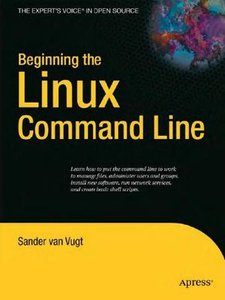
Description
This is Linux for those of us who don’t mind typing. All Linux users and administrators tend to like the flexibility and speed of Linux administration from the command line in byte–sized chunks, instead of fairly standard graphical user interfaces. Beginning the Linux Command Line follows a task–oriented approach and is distribution-agnostic.
Work with files and directories.
Administer users and security.
Understand how Linux is organized.
Finding help from in–system resources
Finding the right command for the task you have to accomplish
Working with text editors and intelligent filters
Shell programming
Managing partitions and file systems
Configuring access to hardware devices
Beginning The Linux Command Line.
White Hat Hacking Tutorials Android Applications

You can become a white hat Hacker or Say a Security Professional by learning from our White Book Tutorials, It Contains following Topics:
1) Hacking Basics - Introduction to Hacking, Basic Concept of IT, Concept of Security, Introduction to Networking, Foot Printing.
2) Common Hacking Tuts - Google Hacking Database, windows Hacking and Security, Linux Hacking and Security, Virus, Worms and Trojans, DOS and DDOS, Sniffers, Network Hacking, Social Engineering, Physical Security, Cryptography and Stenography, WI-FI hacking, FireWall and IDS/IPS.
3) Vulnerabilities - Vulnerability Scanning, Vulnerability Research, Web Penetration Testing, Network Penetration Testing, Server Penetration Testing and More Coming Soon,
4) Security Standards ( Beta) - Security Standards and Principles, OWSAP Top 10 Vulnerability, OSSTMM, SANS TOP 25 Vulnerabilities. ( Note: at Present We are Just Giving an Overview in this module, We will be Soon Updating the Details)
5) Exploits And Exploitation - Assembly Language, Exploit Writing, Buffer Overflow, Reverse Engineering, Exploit Frameworks
6) BackTrack - Introduction to BackTrack, BackTrack Methodology, Information Gathering, Vulnerability Assessment, Exploitation Using BT.
7) Advance Tools - Acunetix, IBM App Scanner, Net Sparker, Vega, Burp Suite, W3AF, OWASP ZED Proxy, Aarachini, NMAP, Maltego, Dark Comet, WireShark.
8) Cyber Forensics - Hacking Incidents, Doing Forensics, Data Recovery and Analysis, Understanding Anti Forensics, Cyber Crime Investigations ( Note: at Present We are Just Giving an Overview in this Module, We will be Soon Updating the Details)
9) Security Management - Information Security Management, Policies and Documentations
10) Tips and Tricks - Facebook hacking, Tips and Tricks, Mobile Tips and Tricks, List Sites You should not Scan.
Security is a vast field and have several verticals, if you need and other tutorials or have suggestions, We would love to here it. We will Grow with the Best Tutorials and Content.
WhiteHat Hacking Tutorials Android Applications.
Subscribe to:
Posts (Atom)